About SymbiOS

Built for symbiosis between human and machine.

SymbiOS was created from a simple belief: software should not force humans to adapt to fragmented tools. The system should adapt to the way people work, think, and make sense of information.

Origin

From tools to operating environments.

Modern work is spread across apps, messages, documents, dashboards, folders, meetings, automations, and human memory.

SymbiOS began as a response to that fragmentation. Instead of adding another tool to the stack, it asks a different question: what would work look like if the environment itself understood context?
The Name

Symbiosis, built into the operating system.

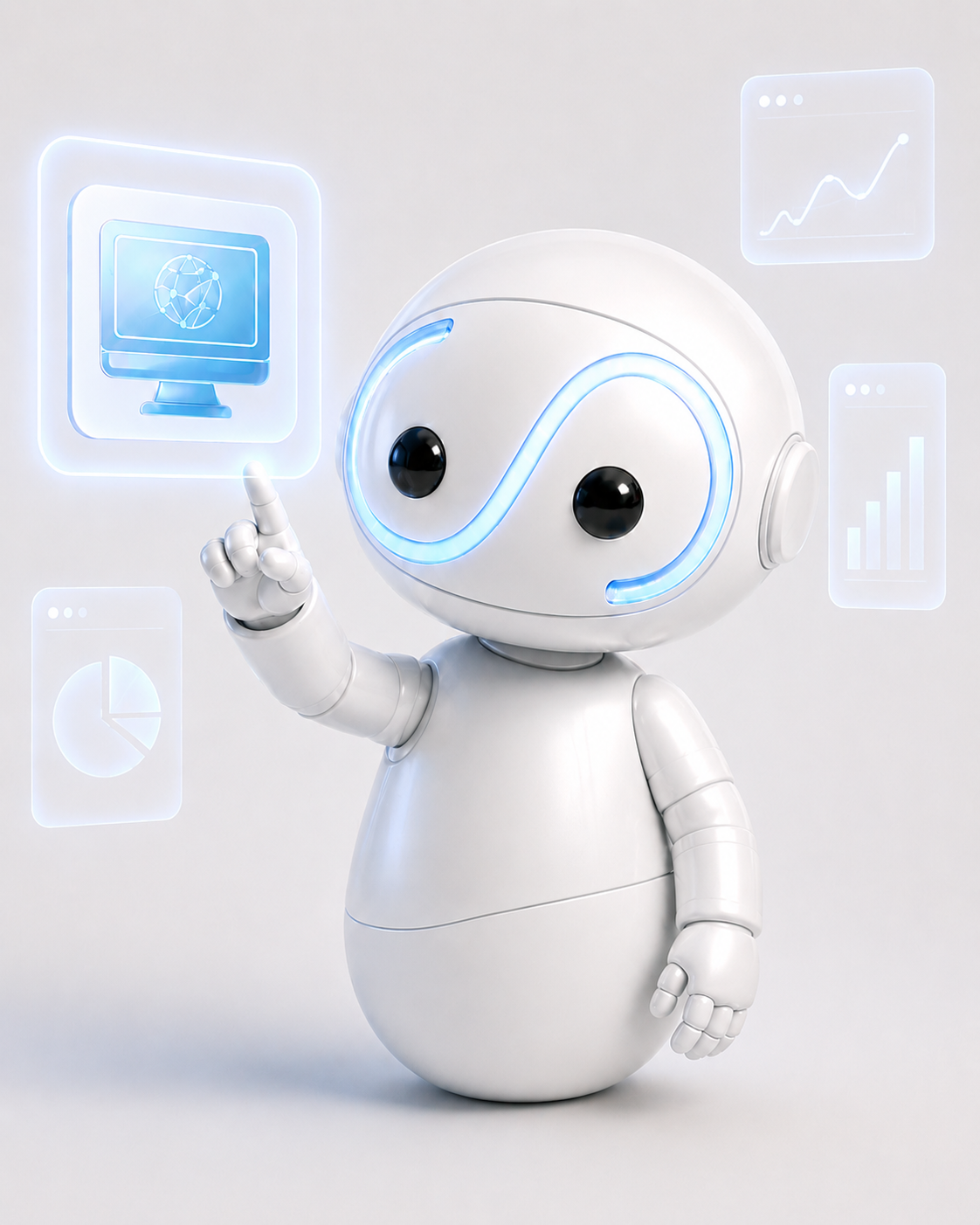
The name SymbiOS reflects the symbiosis between human and machine.

Not replacement. Not automation for its own sake. A working relationship where human judgment, organizational knowledge, and AI capability strengthen one another inside a shared operating environment.

What SymbiOS Is

An operating layer for organizational work.

SymbiOS is an AI-native operating environment for organizations. It combines workspace, process management, data interaction, document intelligence, communications, automation, and AI agents into one connected system.

  • An operating layer for organizational work.
  • A context-aware AI environment.
  • A workspace for people, data, tools, and agents.
  • A system designed for governance, scale, and real operations.
What SymbiOS Is Not

Not another app in the stack.

SymbiOS is not another dashboard.

It is not another chatbot.

It is not another SaaS tool in the stack.

It is a new operating layer for work.

Created by Sensemaking Ltd.

Designed from first principles.

SymbiOS is developed by Sensemaking Ltd., a software company focused on reimagining human–information dynamics.

Sensemaking studies how people experience information, how context changes action, and how AI-native systems can create new dynamics instead of simply improving old workflows.